
Ant Exterminator & Ant Control Sydney
Professional, Eco-Friendly & Affordable Ant Control Services Effective ant control requires a combination of preventative measures and targeted treatment. At TUFAN Pest Control, we use a professional non-repellent treatment and flooding method designed to target ant nests and colonies at their source. Our treatment focuses on common ant activity and entry points, including: Garden beds Lawns Decks Paving areas Sheds Around buildings and potential entry points We apply the treatment at a low concentration with high-volume application, allowing the product to reach active nests, trails and hidden colony areas. This method has proven highly effective, with up to a 95% extermination rate in suitable treatment conditions. Our goal is not simply to kill visible ants, but to target the colony and reduce the likelihood of re-infestation. Contact TUFAN Pest Control today for professional, reliable and affordable ant control services and keep your property ant-free.
One sighting usually means many more hidden
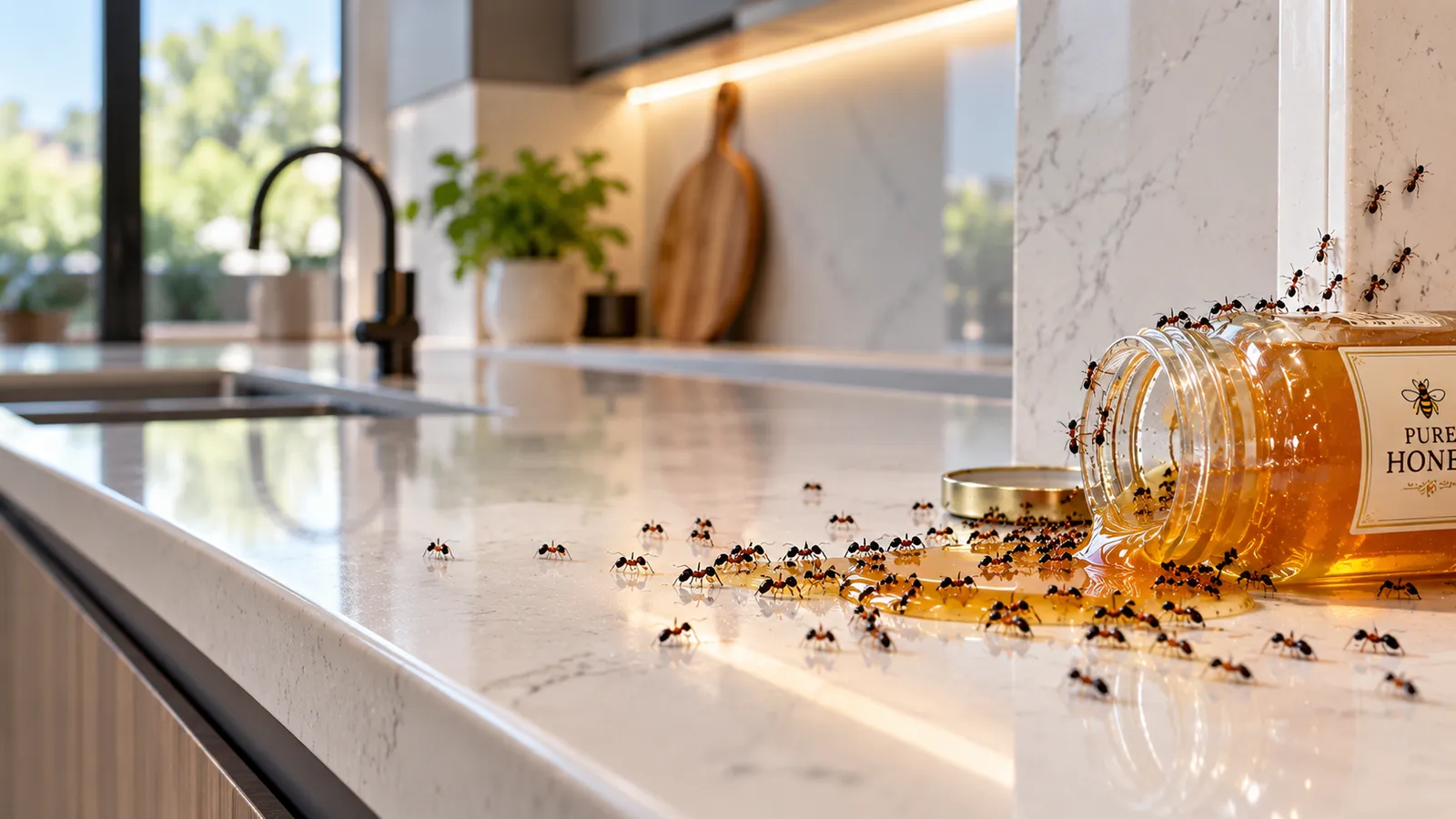
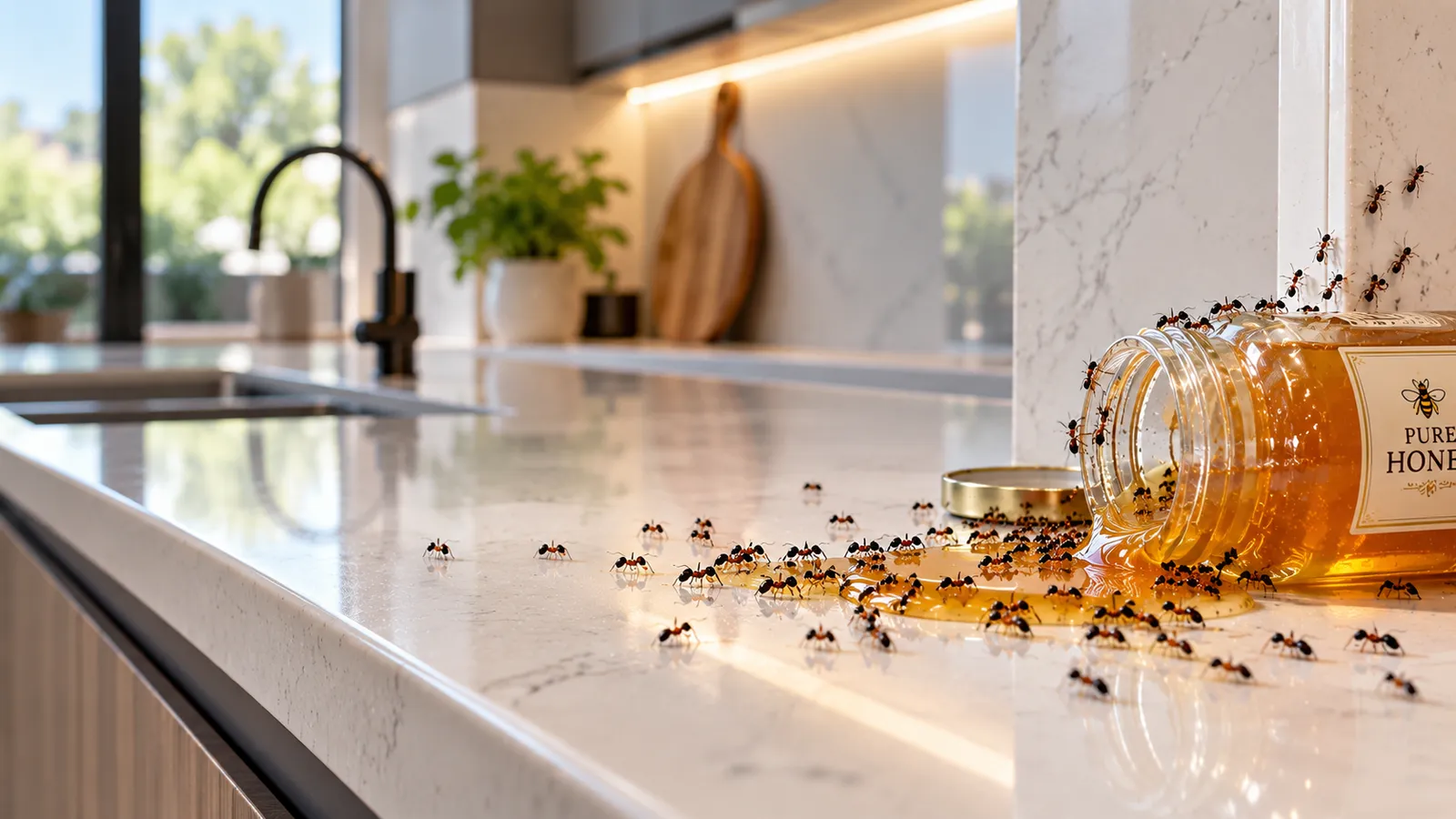
Ants are the number-one nuisance call we get in Sydney. They find a crumb or a spill, lay a pheromone trail, and within hours there's a highway across your kitchen. Spray the trail and you kill the few you can see — but the colony and its queen are untouched, so they're back the next day.
We treat ants properly: identify the species, follow the trail to the nest, and use slow-acting baits the workers carry home to the queen. That clears the colony at its source, and a perimeter barrier keeps the next one from moving in.
More than just a nuisance
Food contamination
Ants trail from drains, bins and gardens straight across your benches and into food, carrying bacteria with them.
Painful stings
Bull ants and jumper ants deliver a venomous sting that's genuinely painful and can cause allergic reactions.
They keep coming back
Pheromone trails and a hidden queen mean surface sprays fail — the colony just rebuilds the trail overnight.
Timber damage
Carpenter ants tunnel galleries through moist or damaged timber, quietly weakening it over time.
Signs you have a problem
- Trails along benchtops and skirting
- Ants around pet bowls and bins
- Nests in pavers, lawn or wall cavities
- Trails reappear hours after cleaning
What's included
- Species identification
- Targeted colony baiting
- Interior & exterior perimeter treatment
- Entry-point sealing advice
- Follow-up check + warranty
Types of ant exterminator & ant we treat
Different ants want different things — some chase sugar, some bite, one even nests in your timber. Identifying the species is what makes the treatment actually stick..
 From $129
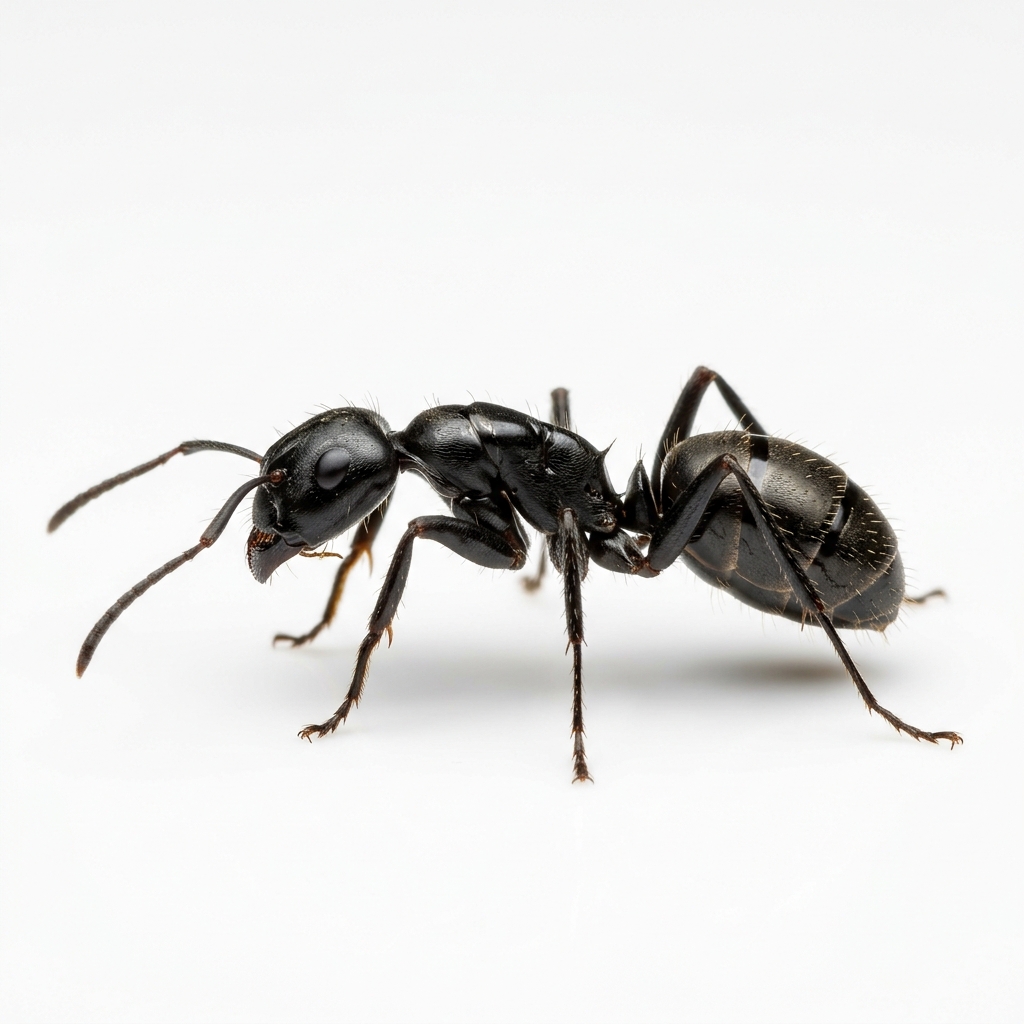
Black House Ant ( Ochetellus )
Black house ants are shiny and black, 2.5 - 3mm long. Larva hatches out of the egg as a white grub which is narrower towards the head. They are fed by the adults. The adult emerges with the three defined body sections: head, thorax and abdomen. The length of time between the egg stage and ants emerging as adults can take 6 weeks or more; it depends on a variety of factors such as the species of ant, the temperature and the availability of food. Fertilised eggs become female, unfertilised become males. Habits These ants are regarded as a nuisance and scavenge in kitchens, garbage and also dog excrement, therefore potentially spreading diseases such as salmonella. Common Ants' include the intensely black 'Black House Ants', and they are attracted to sweets. The most effective control measure is to find the colony and treat it.
How we treat it
Colony baiting that targets the queen, so the trails don't simply return not a surface spray that kills only the few you see.
 From $129
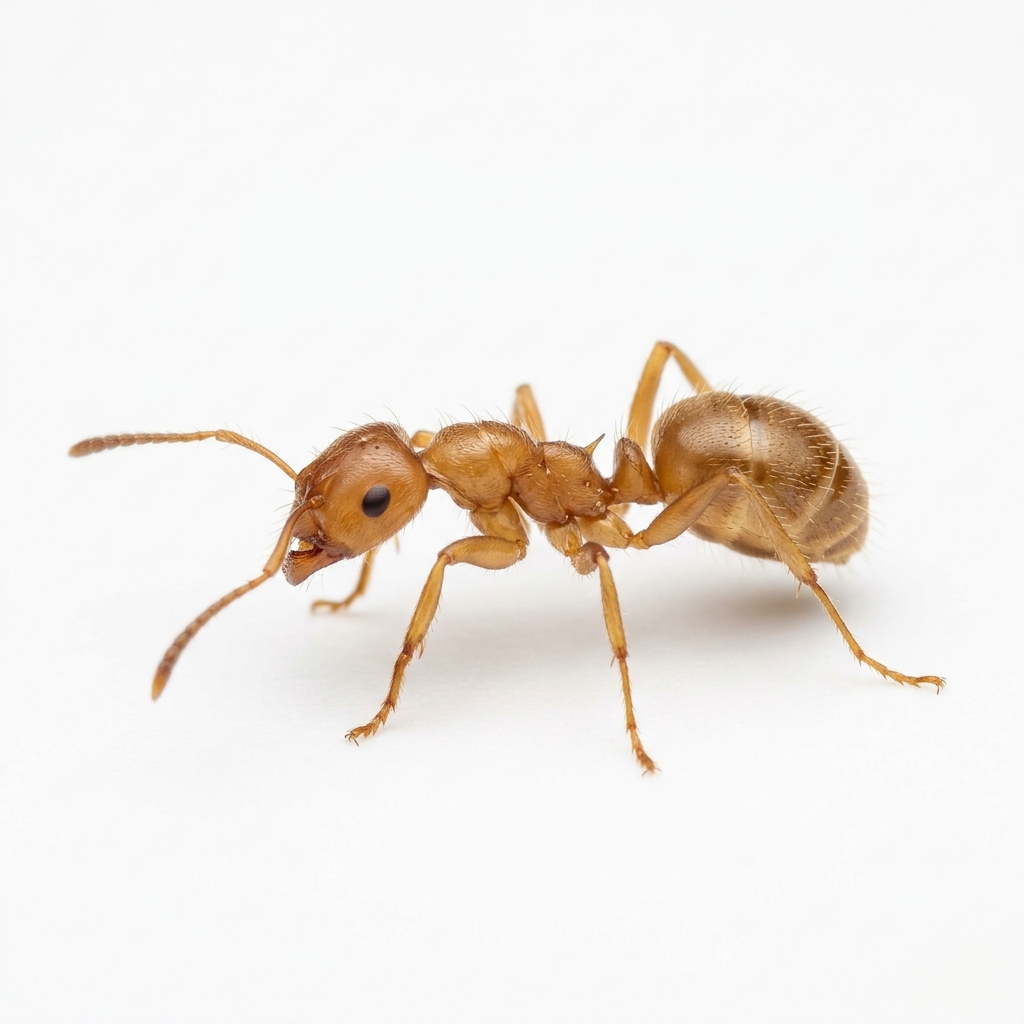
Coastal Brown Ant (Pheidole megacephala)
Tiny light-brown ant (1.5–2.5mm) that leaves little piles of excavated soil along paths, walls and pavers. Nests in huge numbers and moves indoors fast for food.
How we treat it
Granular and gel baiting across the nest network, plus a perimeter barrier to stop reinvasion.
 From $139
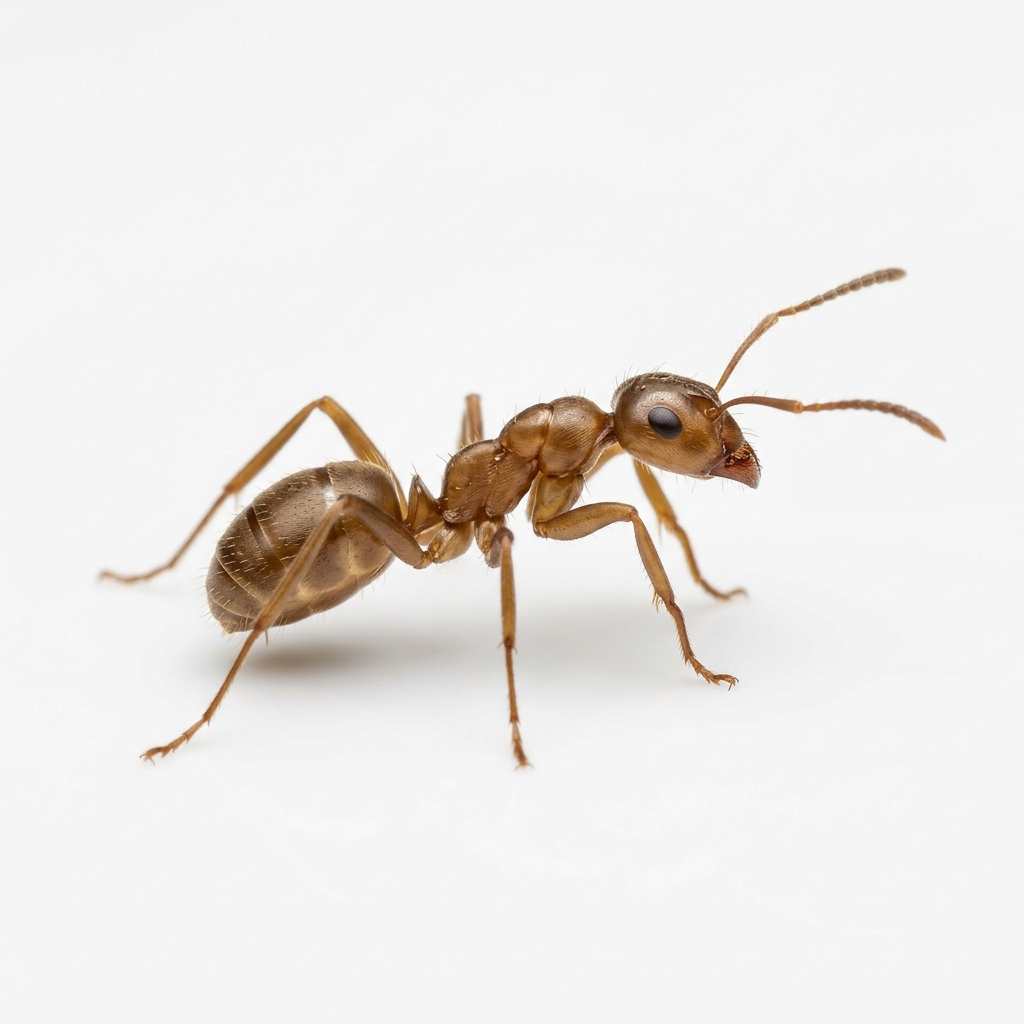
ARGENTINE ANTS (Linepithema humile)
Workers about 1.6mm long, light to dark brown in colour, do not swarm and there bite does not sting. Worker ants produced in spring and increase in numbers up until autumn. Winged ants (reproductive Kings and Queens), produced in early spring, before the workers, mature within three months and mate soon afterwards. Argentine ants mate in their nest so no swarming is seen. Worker ants will follow food trails for long distances so nests are not easy to track. They prefer sweet foods but will also eat live and dead insects, meats, cereals and damaged fruit. Argentine ants drive out other ant species from an area.
How we treat it
Slow-acting bait carried back to the multiple queens, applied across the colony network over follow-up visits.
 From $149
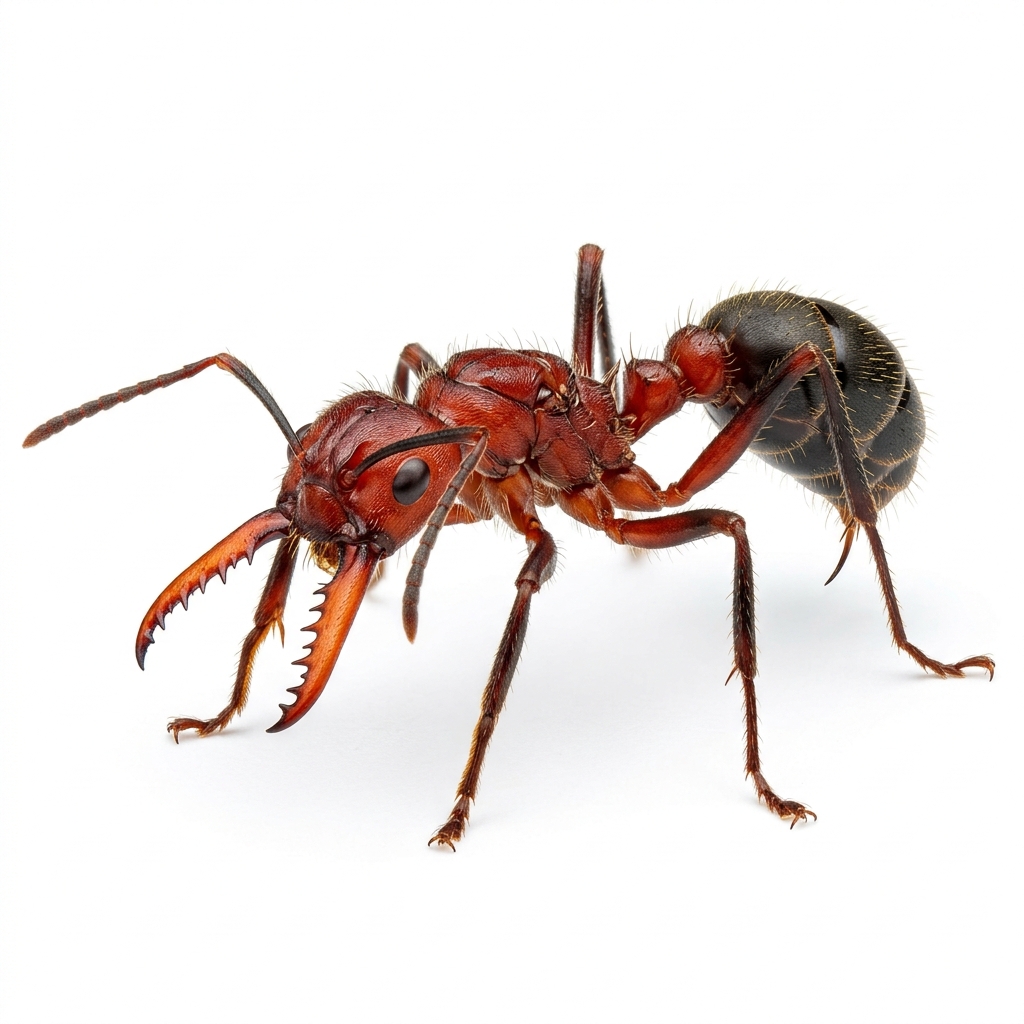
Bull Ant (Mymecia)
Appearance - About 18 - 20mm long and tends to be red or black. Very aggressive (if a nest is disturbed, there will be a massive outpouring attack). They can inflict a very painful sting to humans. The stinger does not remain in the victim, so the Bull Ant can sting repeatedly.
How we treat it
Direct nest treatment plus a perimeter barrier around play areas, paths and entry points.
 149
149Green Ant (Rhytidoponera spp)
Appearance – About 5 - 6mm long, black with metallic green head with a distinctive appearance and odour. They can inflict a painful sting to humans.
 From $149
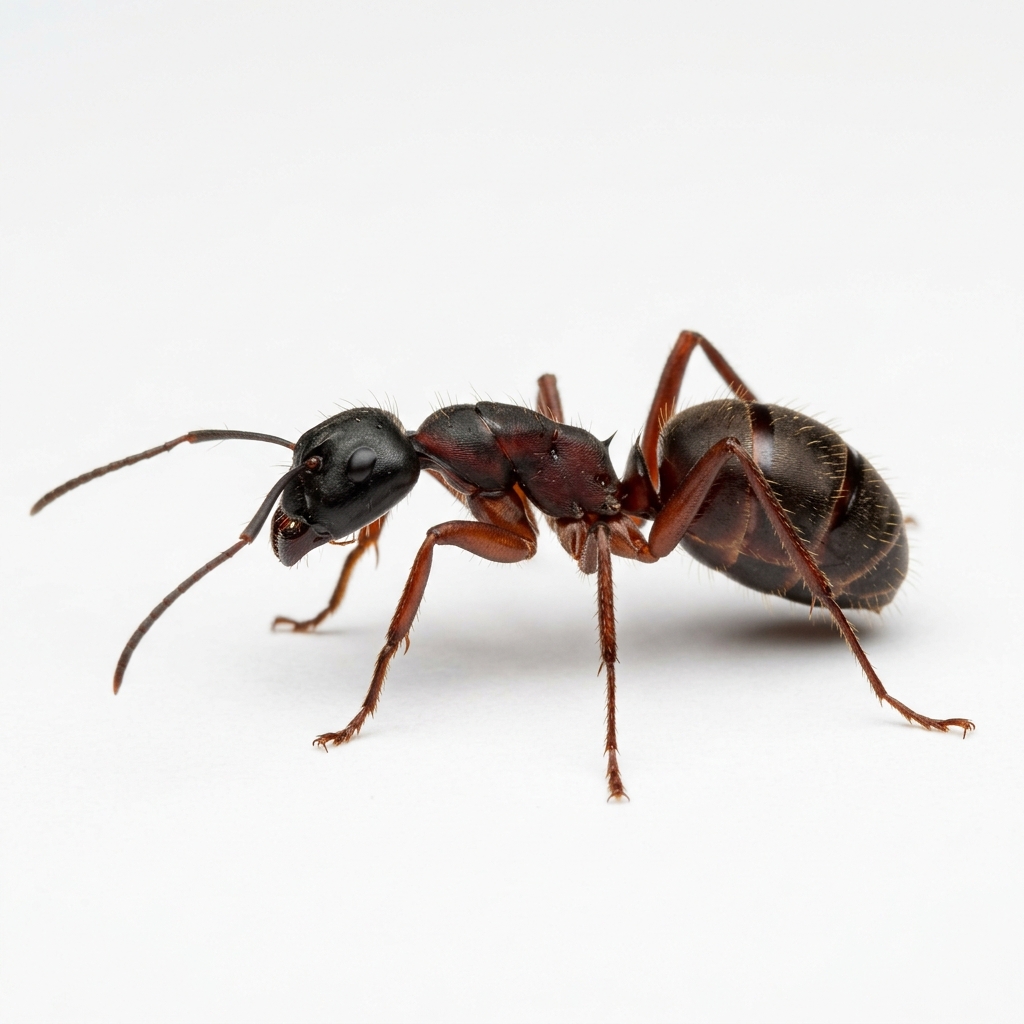
Carpenter Ant (Camponotus)
Carpenter ants are polymorphic which means they can come in a variety of sizes. There are three size classes, each with different job classifications: Major workers are the largest ants in a colony and contain most of the large soldier ants; while media and minor carpenter ants are mid and small in size respectively and whose jobs are to gather food and construct colonies. Carpenter ants are nocturnal, you will often have to wait for night time to find a trail, which could lead to the nest. Carpenter ants do not tend to travel in large numbers, so a trail may be difficult to spot. Carpenter ants usually do not just set up one nest, but a whole series of ‘satellite’ nests too, which ensures the colony’s survival even if one nest is destroyed. Carpenter ants feed on living and dead insects as well as anything people consume. As the name suggests, carpenter ants can do considerable damage to wooden objects.
How we treat it
Locate and treat the nest, treat the affected timber, and address the moisture that drew them in.
149Fire Ant (Solenopsis spp)
Appearance Queens are 1.59cm long and workers are 3.18mm - 6.35mm long, coppery – brown on the head and body, with a darker abdomen. Solenopsis has a very distinctive two–segment antennal club, which is most visible in the front view of the female reproductive ant.
How we get rid of them
Identify & trace
We confirm the species and follow the trails back to the nest — the only way to treat the colony, not just the trail.
Colony baiting
Slow-acting bait the workers carry home to the queen, wiping out the colony from the inside.
Perimeter barrier
A residual barrier to entry points, paths and foundations to stop the next colony moving in.
Follow-up & warranty
We check back on stubborn colonies, all backed by our warranty.
Why Sydney chooses us
Same-day callouts
Urgent problem? We keep slots free for same-day and next-day appointments across Greater Sydney.
Family & pet safe
Risk-assessed, home-approved products. People and pets simply stay off treated areas until they're dry.
Honest upfront pricing
A firm quote before we start. No call-out surprises and no nuisance plans you don't need.
Guaranteed work
Every job is warranty-backed — if the pest returns in the warranty window, we re-treat for free.
Keep them from coming back
Simple habits that make your place far less inviting between treatments.
- Wipe up spills and crumbs quickly and store sweet food sealed.
- Don't leave pet food out; clean around the bowl.
- Seal gaps around windows, doors and pipe entries.
- Keep mulch, pavers and garden beds from touching the walls.
- Fix leaks and damp that draw ants — especially carpenter ants.
- Rinse recycling and keep bins closed.
Your questions, answered
Why do ants keep coming back after I spray?
Supermarket sprays kill the ants you can see but never reach the queen, and the colony simply lays a new trail. Baiting works because the ants carry it back to the nest, clearing the colony at its source.
Are ant treatments safe for kids and pets?
Yes. We use products approved for homes and place baits in cracks, voids and out-of-reach spots. People and pets just keep off treated surfaces until they're dry.
How long until the ants are gone?
You'll often see a change within days. Because baiting works through the whole colony, full control usually takes one to two weeks.
Do bull ants need a different approach?
Yes — bull ants are treated at the nest directly, and we lay a barrier around play areas and paths. Their sting is painful and can cause allergic reactions, so it's best left to us.
Other services
View all →
Get rid of ant exterminator & ant problems for good.
Book a licensed Sydney technician today. Fast, friendly, and fully guaranteed.